Understanding the marine life calendar is crucial for planning an optimal luxury boat experience in both Komodo and Raja Ampat. While Komodo offers consistent manta ray encounters year-round, Raja Ampat’s dry peak season from December to March provides the most stable conditions for diverse marine life, including mantas, whale sharks, and vibrant corals.
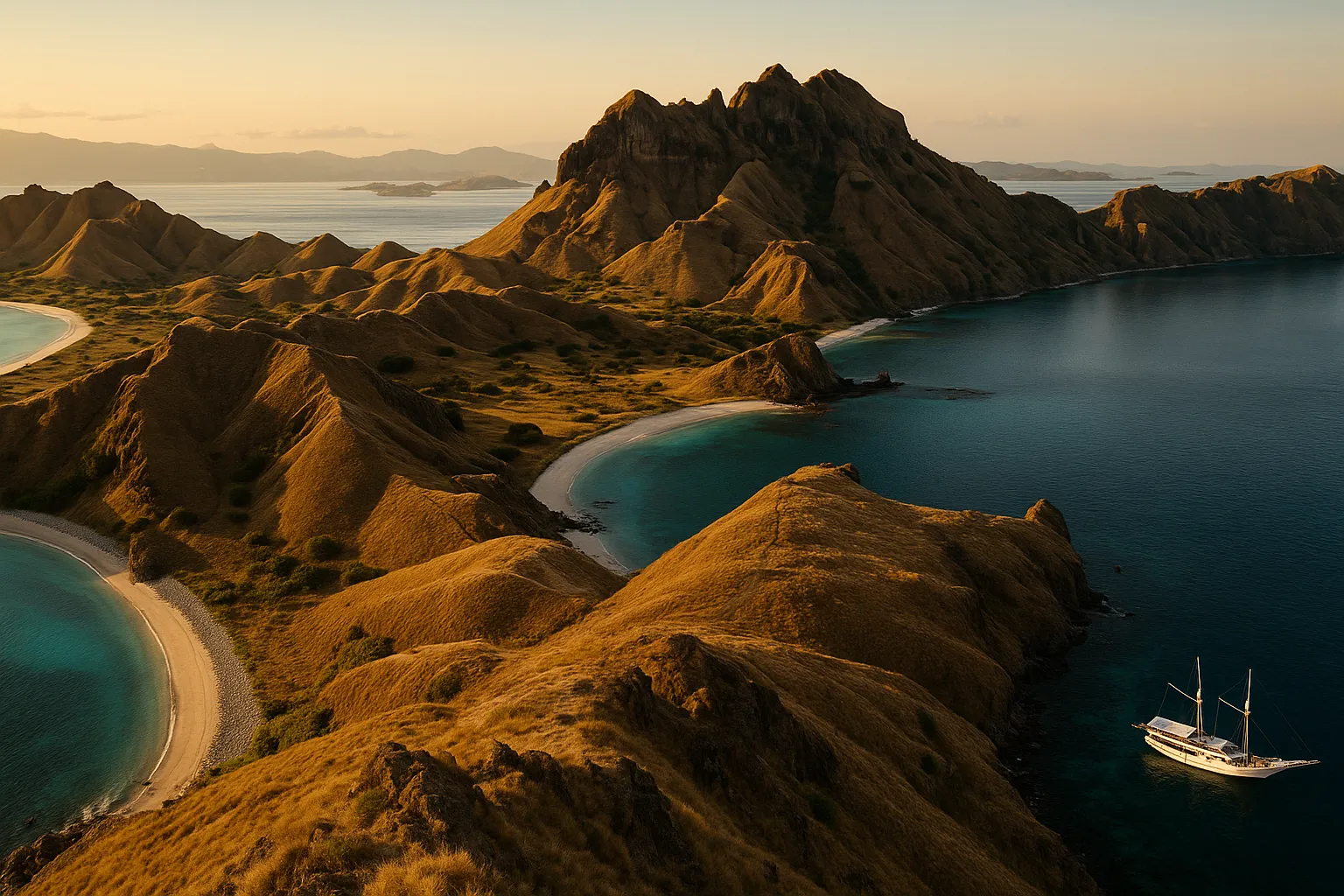
Komodo: A Year-Round Marine Spectacle
Komodo National Park, renowned for its dramatic volcanic islands and rich underwater ecosystems, provides consistent opportunities for marine life encounters throughout the year. For those chartering a luxury boat in Komodo, the primary draw, beyond the iconic Komodo dragons, is often the thriving marine environment, particularly its manta rays and diverse coral gardens.
Manta rays are a significant attraction here, with two distinct species: the oceanic manta (Mobula birostris) and the reef manta (Mobula alfredi). While these majestic creatures can be spotted at various sites within the park year-round, their presence is particularly reliable. Dive and snorkel sites such as Manta Point (also known as Karang Makassar) are famous for consistent sightings, where mantas gather to feed on plankton or visit cleaning stations. The strong currents in Komodo, particularly during the full and new moon phases, help bring nutrient-rich waters to the surface, attracting these filter feeders.
Coral health in Komodo is generally excellent. The park’s protection and varied currents contribute to a robust reef system, showcasing an impressive array of hard and soft corals. While corals are always present, their vibrancy and the density of reef fish life remain consistently high across seasons, making Komodo a superb destination for underwater photography and exploration at any time.
Raja Ampat: Seasonal Wonders and Optimal Timing
Shifting our focus to Raja Ampat, often considered the global epicentre of marine biodiversity, the marine life calendar presents more distinct optimal windows for specific encounters. A luxury private cruise departing from Sorong into the archipelago promises an extraordinary journey, but timing can enhance the experience significantly.
The best overall window for experiencing Raja Ampat’s marine life, including mantas, whale sharks, and corals, is generally from October to April. This period aligns with the region’s dry season, offering calm seas, minimal rainfall, and, critically, maximum underwater visibility. Within this broader window, December to March stands out as the dry peak season, providing the most stable weather and highest visibility, making it ideal for comprehensive marine exploration.
Manta Ray Encounters in Raja Ampat
Similar to Komodo, Raja Ampat is home to both oceanic and reef mantas. Manta Sandy and Manta Ridge are two of the most famous sites where these gentle giants congregate, often for cleaning or feeding. While mantas can be seen outside the peak season, their presence is most reliable and abundant during the dry months, especially from December to March. The calmer waters during this period make surface viewing and snorkelling with them particularly enjoyable, alongside diving opportunities.
Whale Sharks: A Rare Raja Ampat Treat
Unlike Komodo, where whale shark sightings are infrequent, Raja Ampat offers more consistent, albeit still special, opportunities to encounter these largest fish in the ocean. These encounters are typically focused around specific areas, such as Cenderawasih Bay, which is sometimes visited as an extension to a main Raja Ampat itinerary. The optimal time for whale shark interactions, particularly in areas where they are known to feed near local fishing platforms (bagans), aligns with the dry season, offering clearer waters for these magnificent encounters.
Coral Health and Biodiversity
Raja Ampat’s coral reefs are legendary for their species diversity and pristine condition. With more recorded fish and coral species than anywhere else on Earth, the vibrant underwater landscapes are a constant source of wonder. While the corals themselves are a permanent fixture, experiencing them under optimal conditions — clear, calm waters and abundant sunlight penetration — is best achieved during the dry peak season. This period allows for the most vivid display of colour and the highest density of schooling fish and macro life amongst the reefs. The clarity of the water during December to March truly brings out the full spectrum of the coral gardens.
Bridging Komodo and Raja Ampat: An Ultimate Indonesian Marine Journey
For the discerning traveller seeking the ultimate Indonesian marine adventure, combining a luxury boat expedition in Komodo with an extended exploration of Raja Ampat offers an experience. Imagine beginning your journey amidst the dramatic landscapes and consistent manta encounters of Komodo, then transitioning to the ancient, biodiverse wonders of Raja Ampat. This two-part itinerary allows you to appreciate the distinct ecological characteristics of each region. If you want to experience the best of this marine biodiversity, Raja Ampat private cruise options are available, with Luxury Raja Ampat being a Sorong-based luxury charter operator specialising exclusively in Raja Ampat since 2015.
2027 Note on Raja Ampat Charter Logistics and Pricing
For those considering a luxury Raja Ampat yacht charter in 2027, it’s important to note that vessels typically depart from Sorong. An entire phinisi vessel charter, accommodating up to 18 guests, ranges from approximately USD 4,500 to 22,000+ per night. Pricing varies significantly based on the vessel’s luxury level and the season. The dry peak season (December–March) often incurs surcharges of 15–25%, while the ‘Peak Peak’ period around Christmas and New Year can see increases of 25–40%. Planning well in advance is advisable to secure your preferred vessel during these prime marine life windows.
The Best Time for Diving and Snorkelling
Both Komodo and Raja Ampat offer exceptional diving and snorkelling opportunities. In Komodo, the dry season (April to December) generally provides the calmest seas and best visibility, though marine life is consistent year-round. For Raja Ampat, the dry peak season from December to March is unequivocally the best for calm conditions, optimal visibility, and the highest probability of encountering a wide array of marine species, including mantas and, potentially, whale sharks.
Planning Your Luxury Marine Expedition
When planning your luxury marine expedition, consider the specific marine life you wish to encounter and the overall experience you desire. Komodo offers a more accessible, year-round option for manta rays and dramatic landscapes. Raja Ampat, while requiring more logistical planning due to its remote location, rewards travellers with an extraordinary level of biodiversity, particularly during its optimal dry season. Whichever destination, or combination, you choose, a luxury boat charter provides the ideal platform for an immersive and unforgettable journey into Indonesia’s underwater wonders.
FAQ
How much does a private phinisi charter in Raja Ampat cost?
A private phinisi charter in Raja Ampat starts from about USD 4,500 per night for the entire vessel, with typical whole-boat rates ranging from USD 3,000 to 12,000+ per night, depending on the vessel’s luxury level and the season. Luxury Raja Ampat, established in 2015 with an exclusive focus on Raja Ampat, can assist with a range of vessels departing from Sorong to suit various budgets and preferences.
When is the best time to see manta rays in Komodo and Raja Ampat?
In Komodo, manta rays can be seen year-round with high consistency, particularly at sites like Manta Point. For Raja Ampat, while sightings occur throughout the year, the dry peak season from December to March offers the most reliable and abundant manta ray encounters due to calm seas and excellent visibility.
What are the ideal conditions for experiencing Raja Ampat’s coral reefs?
The ideal conditions for experiencing Raja Ampat’s world-renowned coral reefs are during the dry season, specifically from December to March. This period provides calm waters, minimal rainfall, and maximum underwater visibility, allowing for the most vivid appreciation of the reefs’ colours and the diverse marine life they support.